
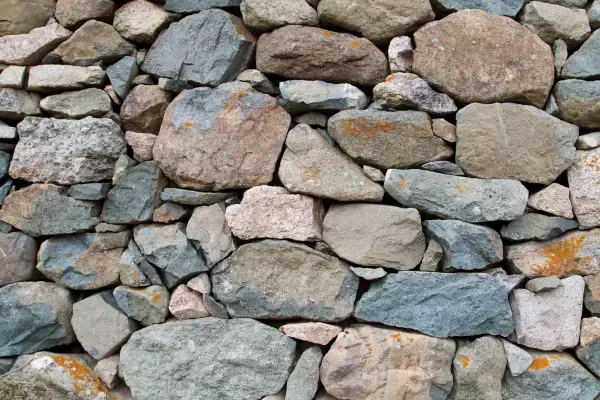
Round Stone Pit

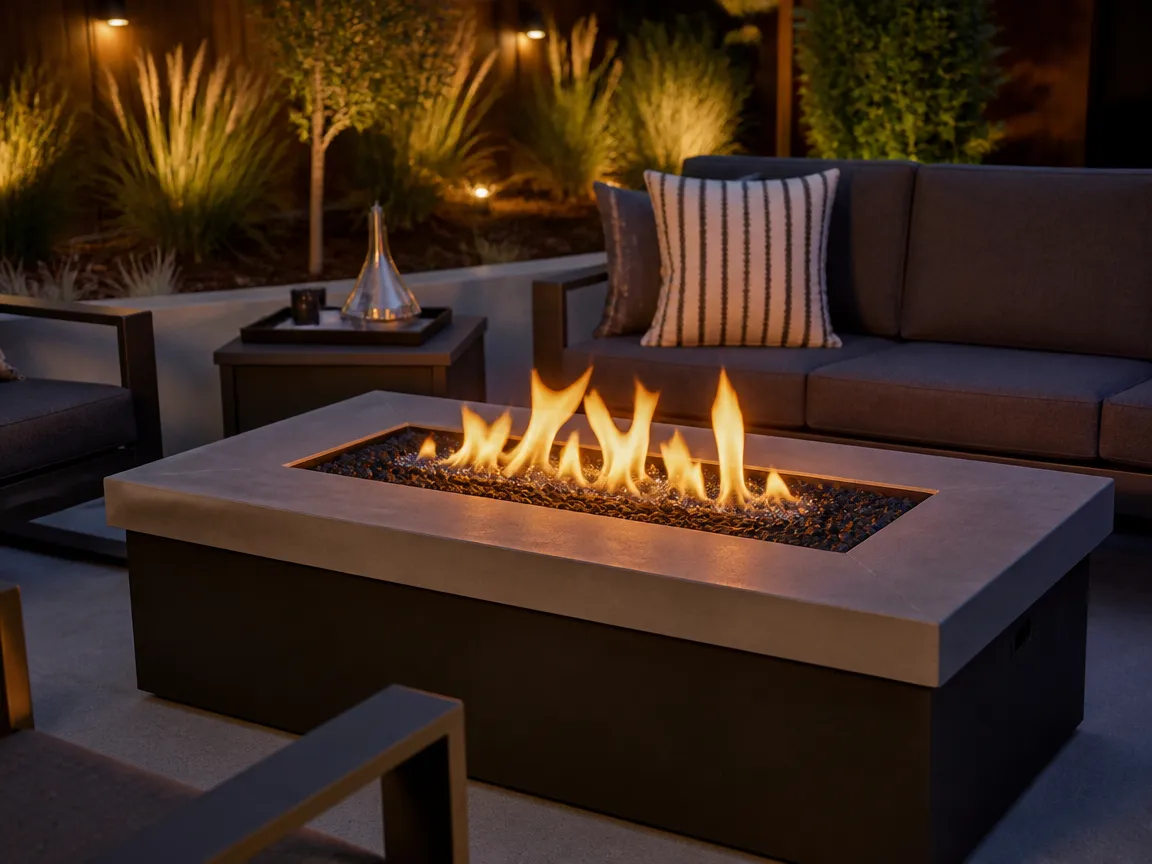
Custom-built firepits — gas-fed with lava-rock or fire-glass burners, or wood-burning with a smoke-stack draft — surrounded by a seat-wall ring at the right height. The piece of the yard everyone gravitates to once the sun drops.
Add a firepit and the yard reorganizes itself around it. The patio chairs migrate. People sit longer. Conversations happen that wouldn't happen indoors. That's the value — not the fire, the gravity.
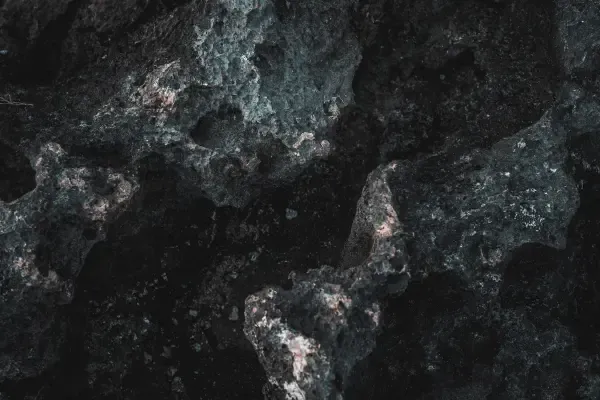
We build every firepit from the ground up: gas line stubbed and pressure-tested, fire-rated masonry pan lined with refractory mortar, lava rock or fire glass on the burner ring, and a stone or stucco surround that matches your patio. Optional 18" cap-height seat walls form a ring at conversational distance. The result is permitted, code-clear, and built into the architecture of the yard.
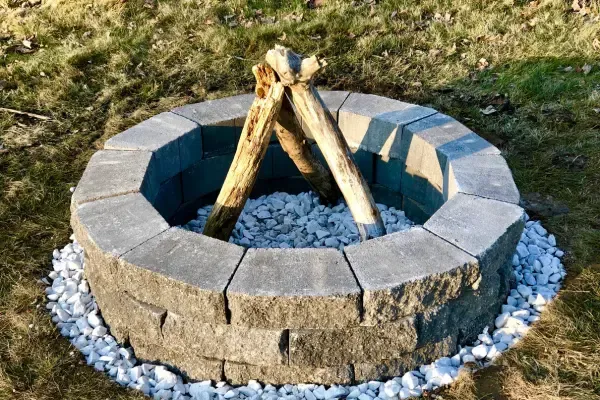
A firepit's style sets the room around it. A clean linear gas trough reads modern; a round stone wood-burner reads rustic; a square fire-table works as a coffee table when not lit. Pick the form that fits the patio.
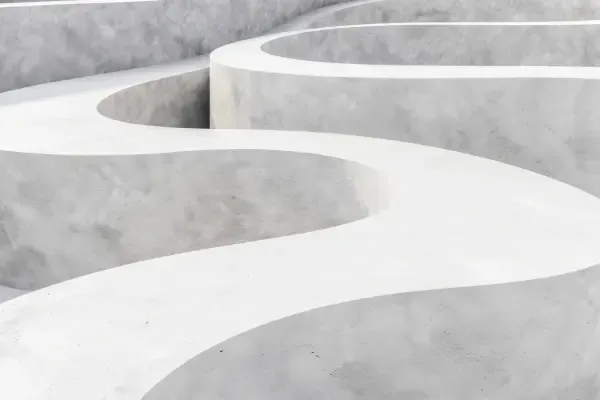
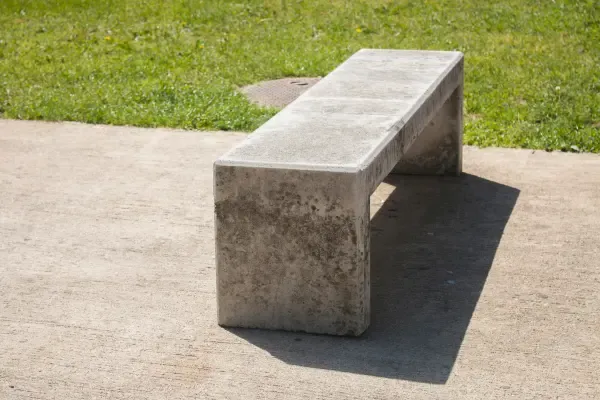
Standard cap height for the surrounding seat-wall ring — comfortable for adults.
Distance from burner to seat-wall — close enough for warmth, far enough for code.
CSA-approved 90,000 BTU burner ring — adjustable, electronic ignition optional.
Pressure-tested gas line + emergency shutoff valve — every install permitted & inspected.
A firepit is the right answer for almost any patio that wants to extend into the evening. We design the pit and the seating ring as one piece — they only work together.
A round gas pit centered on the patio with chairs pulled around. The default outdoor living layout — and for good reason.
Linear gas trough set into a long bench — reads architectural, not rustic. Pairs with concrete pavers and Corten steel.
Concrete fire bowls on cap pillars at pool corners — a gas flame mirroring the water. Heat for evening swims.
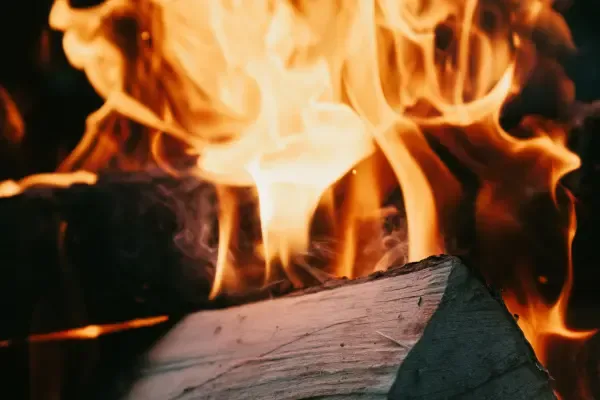
A real wood-burning pit with a smoke-stack draft for the smell, the snap, and the marshmallows. Best with a seat-wall ring.
Firepits are gas-line and masonry work — both permitted, both inspected. Every pit we build is pressure-tested for leaks, lined with refractory material, and inspected before first light.
We walk the patio, place chair locations, and pick the pit center based on sight lines and prevailing wind. Seating ring radius is set, gas-line route mapped.

A licensed plumber runs a gas line from the meter to the pit location, with an emergency shutoff valve at the patio edge. Permit is pulled and the line is pressure-tested.
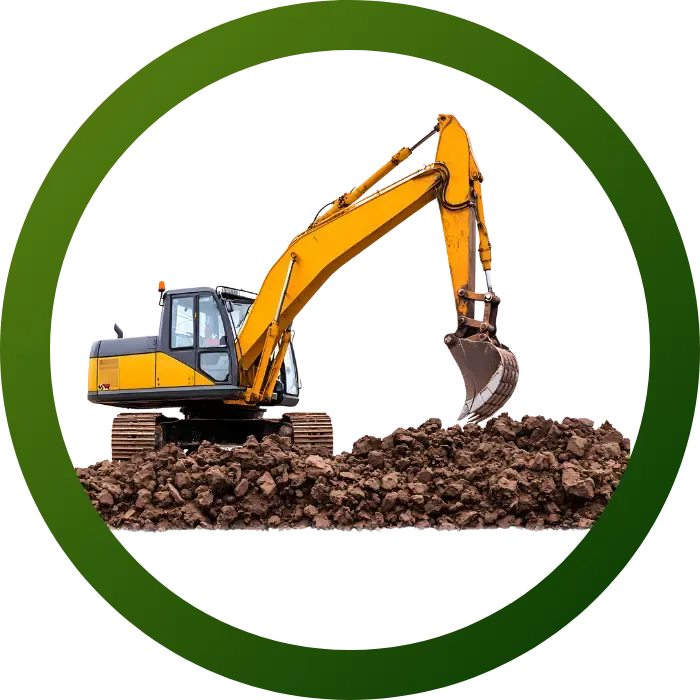
A concrete pad is poured under the pit with rebar reinforcement. The fire pan — stainless or refractory-lined — is set on the pad with cleanout drains underneath.
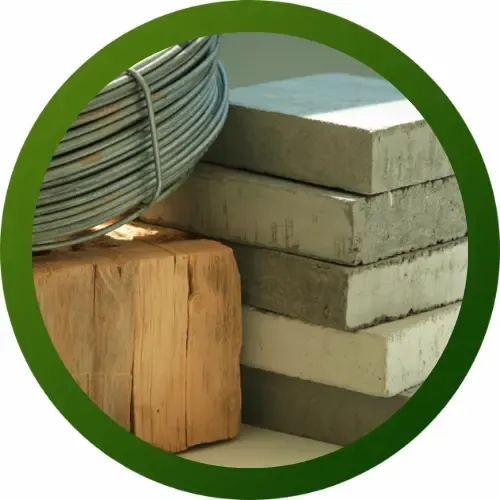
A CSA-approved gas burner ring is installed with whistle-free flex line. Optional electronic ignition is wired on a low-voltage circuit. Pressure-tested again before stone goes on.
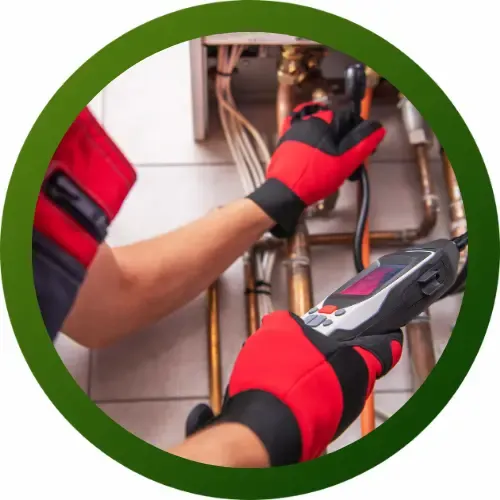
The stone or block surround is laid course by course in fire-rated mortar. A 36" radius seat wall is built around the pit at 18" cap height — comfortable for adults, code-clear for the burner.
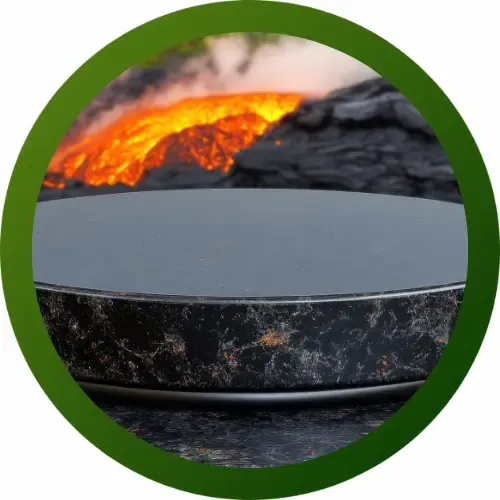
City inspector signs off on gas line, structure, and clearances. We fill the pan with lava rock or fire glass, ignite the burner, and hand off care & warranty docs at first light.

Start with a free site walk.
Free estimate in 24 hours. Most firepits design, permit, and build in 2–4 weeks, with a 10-year structural warranty.