
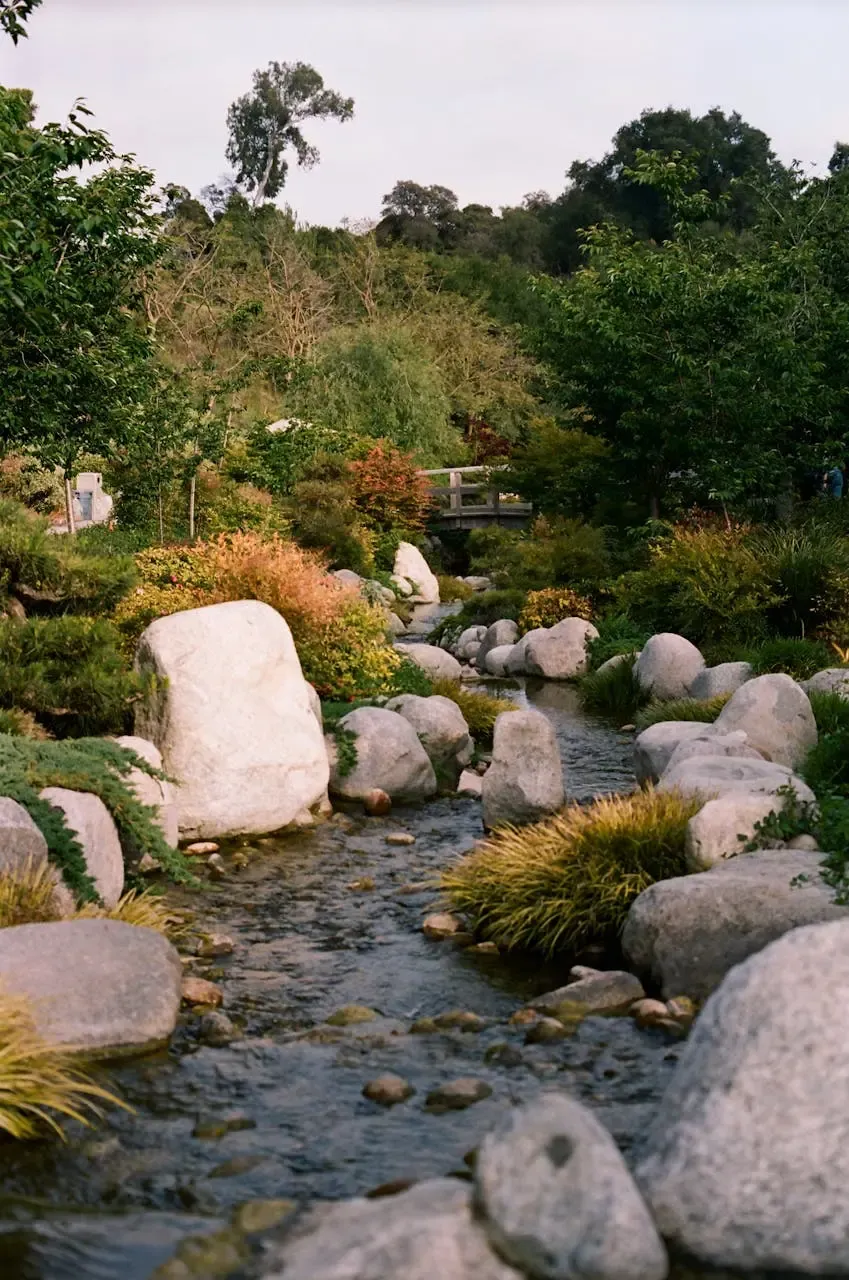
Naturalistic Creek

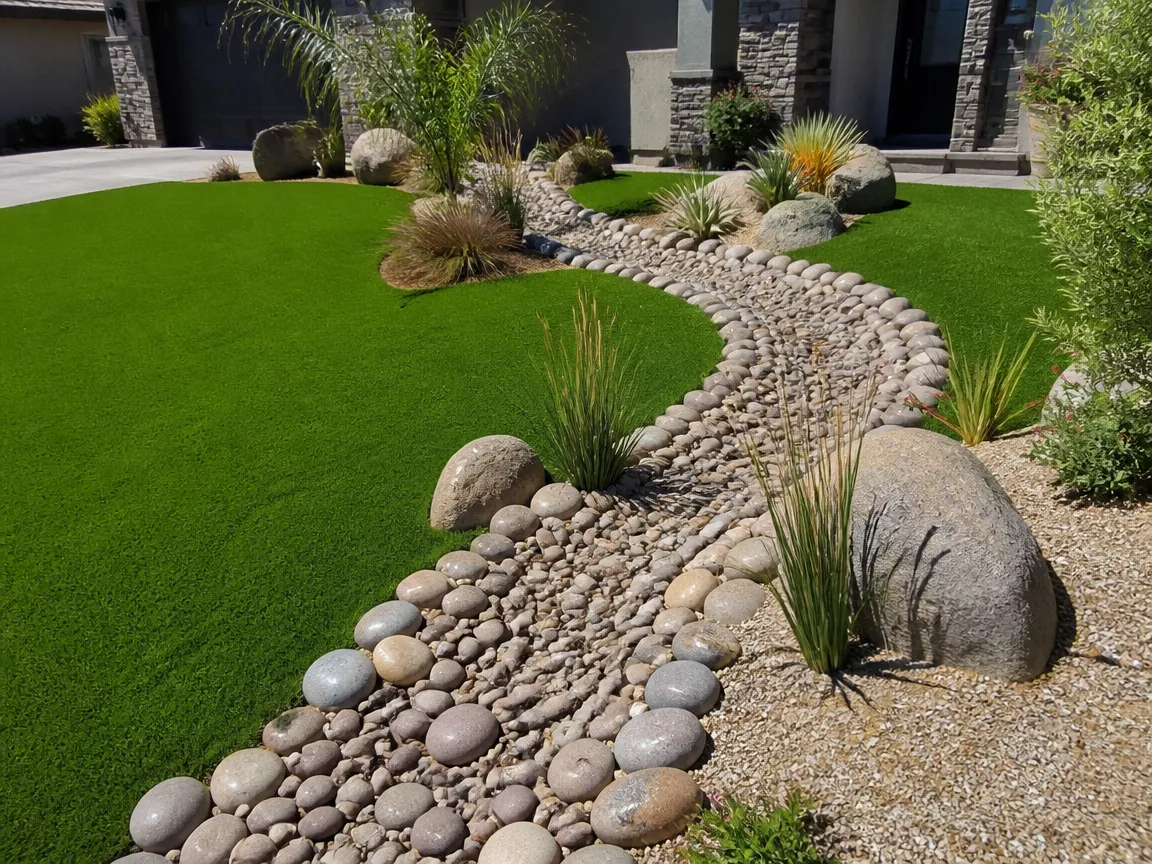
A dry river bed solves runoff and erosion the way nature would — a sinuous channel of cobbled stone, lined with boulders and edged in plantings. Functional drainage, intentional aesthetic, zero pumps or pipes.
Most drainage problems get solved with a buried PVC pipe — out of sight, out of mind, and impossible to inspect when it fails. A dry river bed does the same job in the open, with cobble and boulders that look like they've always been there.
We dig a graded channel along the natural water path, line it with permeable filter fabric and drain rock, and set the visible cobble and boulder layer on top. Water disappears into the bed during heavy rain, drains slowly into the soil, and the channel stays dry and beautiful between storms. Pair with native plantings to anchor the look.
A dry river bed can read as a clean modern drainage line or a naturalistic creek bed — depending on the stone size, color palette, and edge treatment. We design the bed to match the architecture and planting around it.
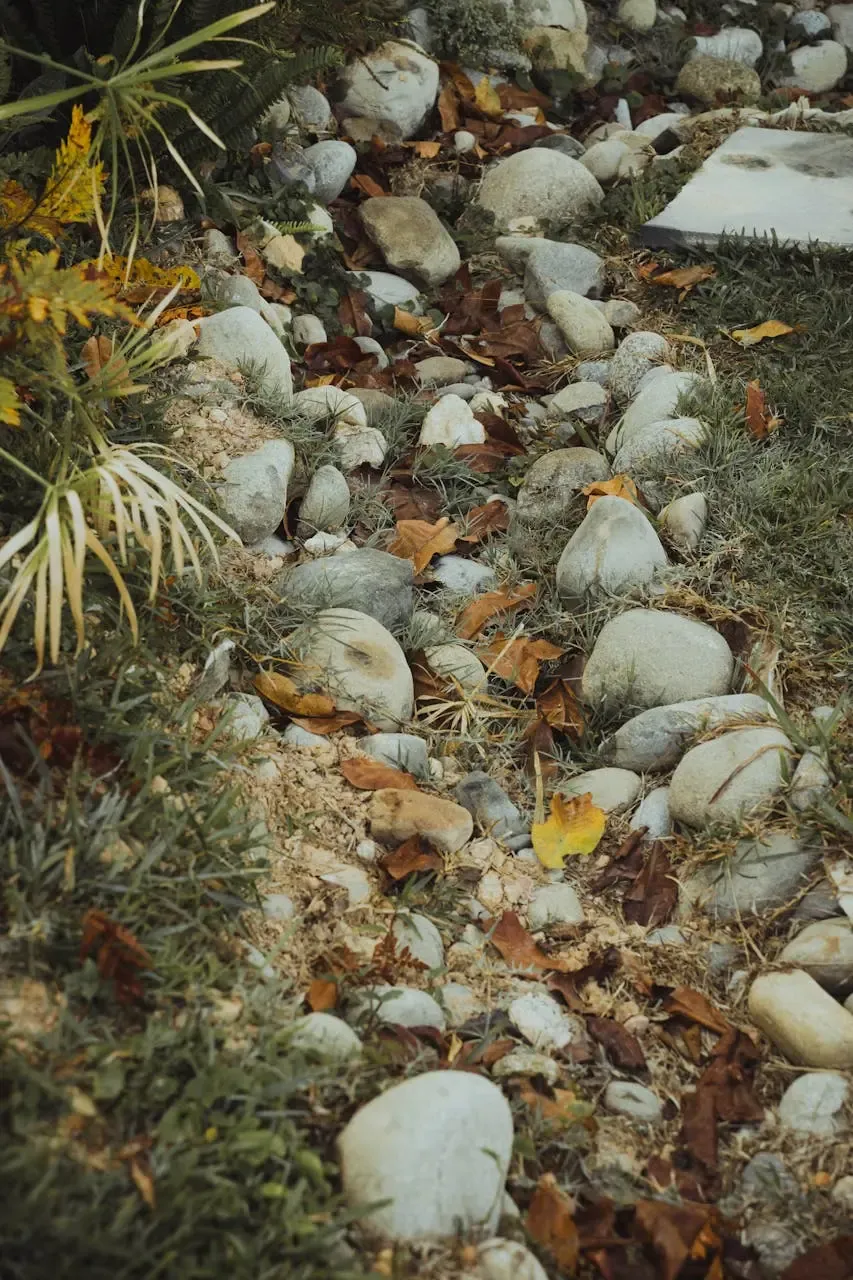
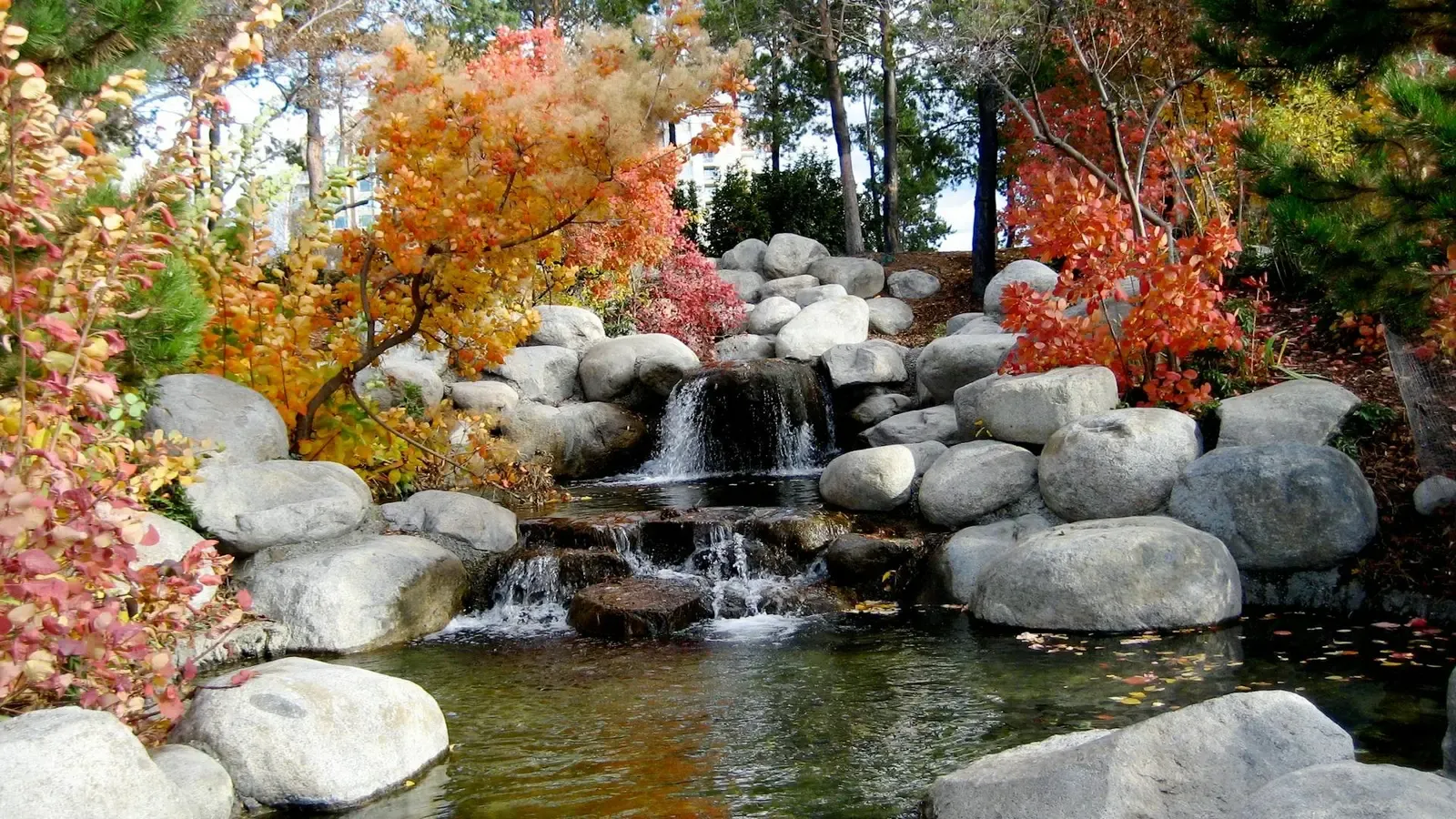
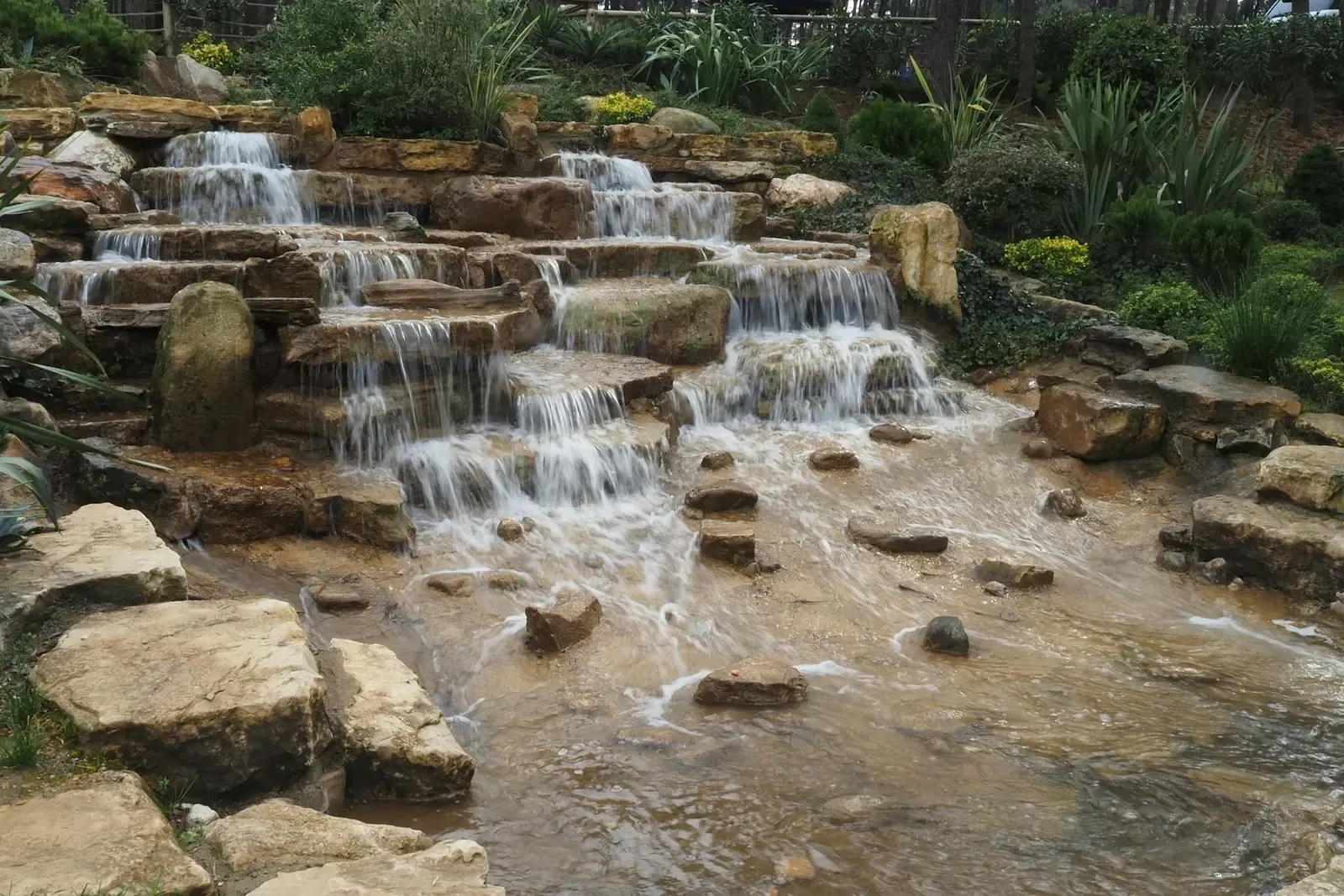
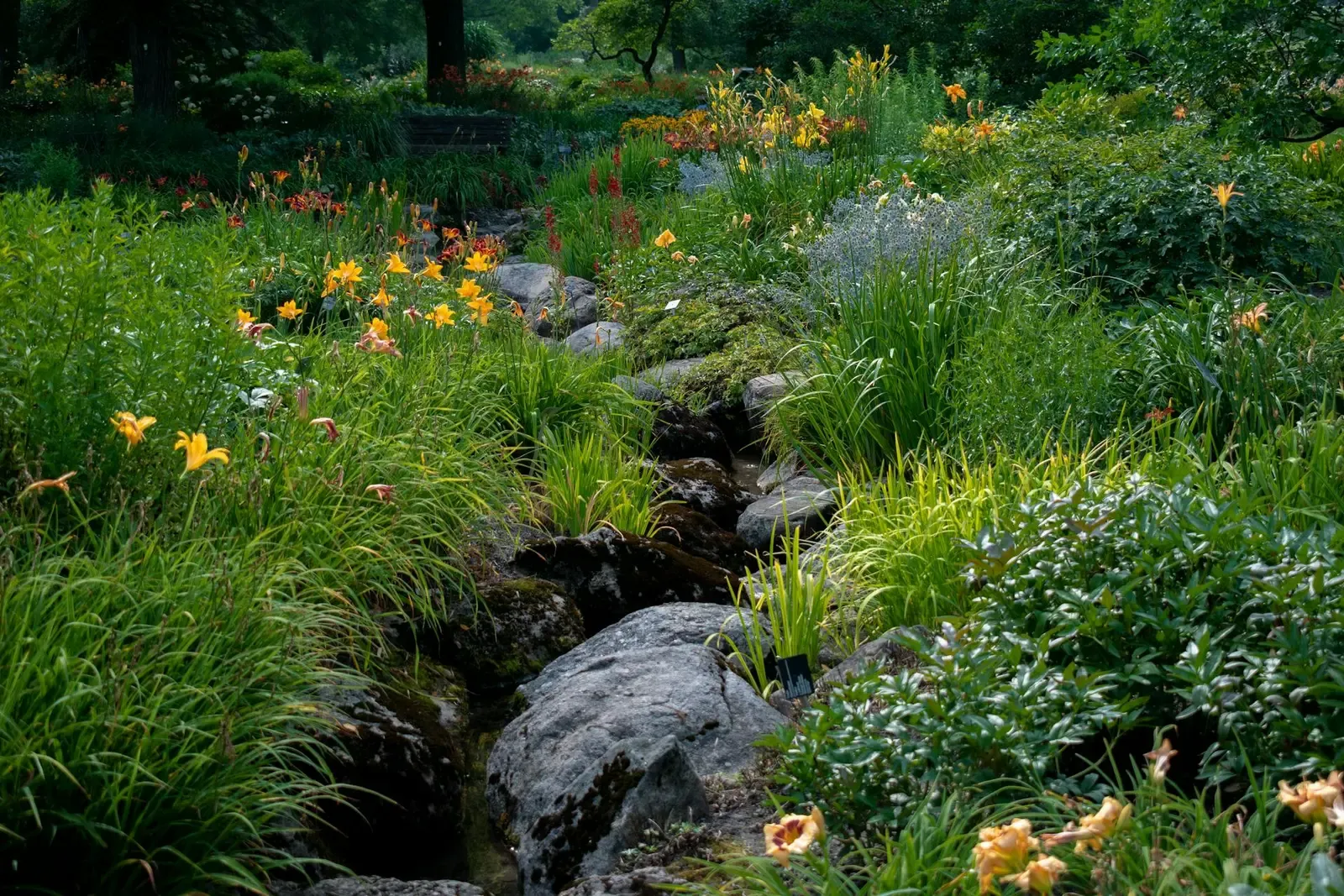
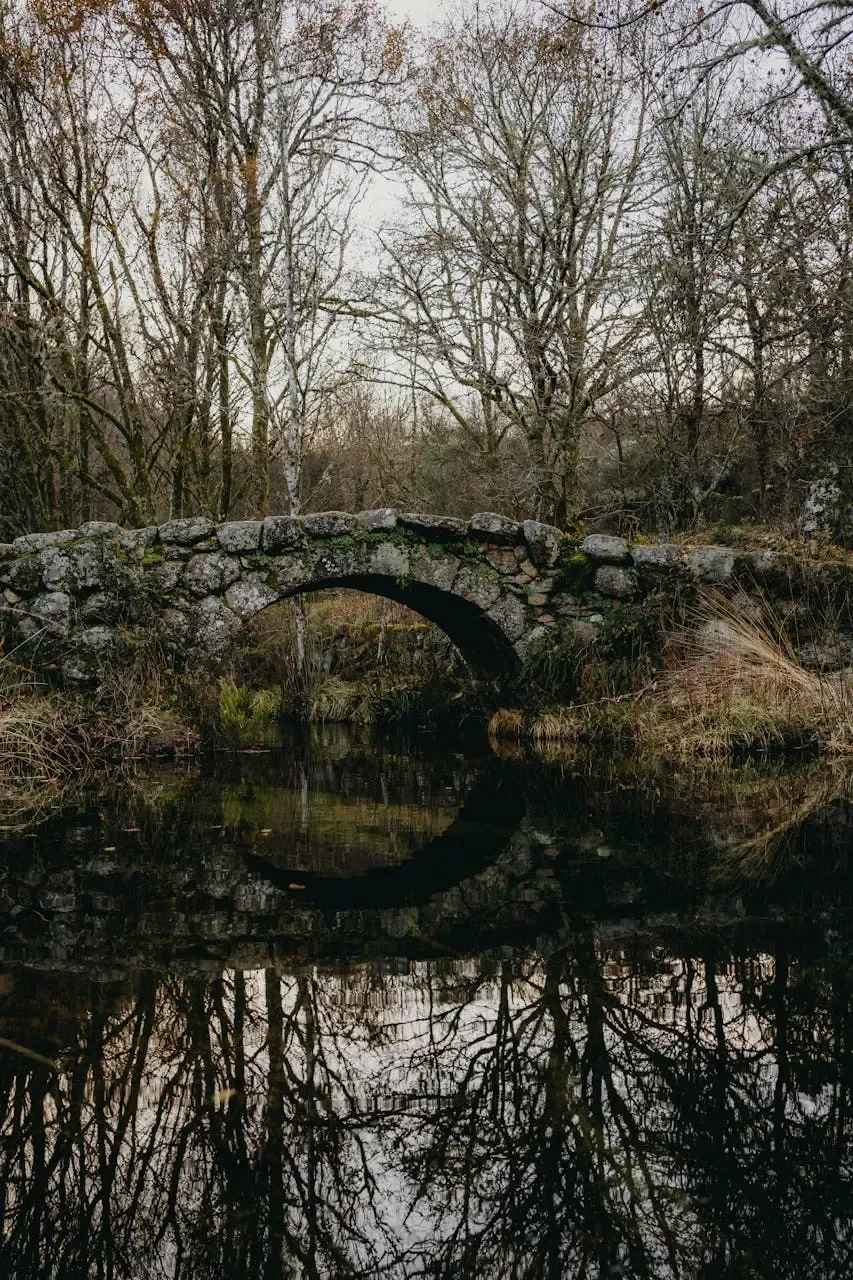
Sized to handle 50-year storm flows for a typical residential drainage area.
Engineered slope along the full channel length — water flows, never pools.
3 sizes of stone — base layer, mid-cobble, accent boulders — for natural visual rhythm.
Gravity-fed and self-draining. No power, no plumbing, nothing to break.
A dry river bed is the right answer when you have visible runoff to manage and don't want to bury the solution. We use them on slopes, in side yards, along downspout outlets, and as design features through dry landscapes.
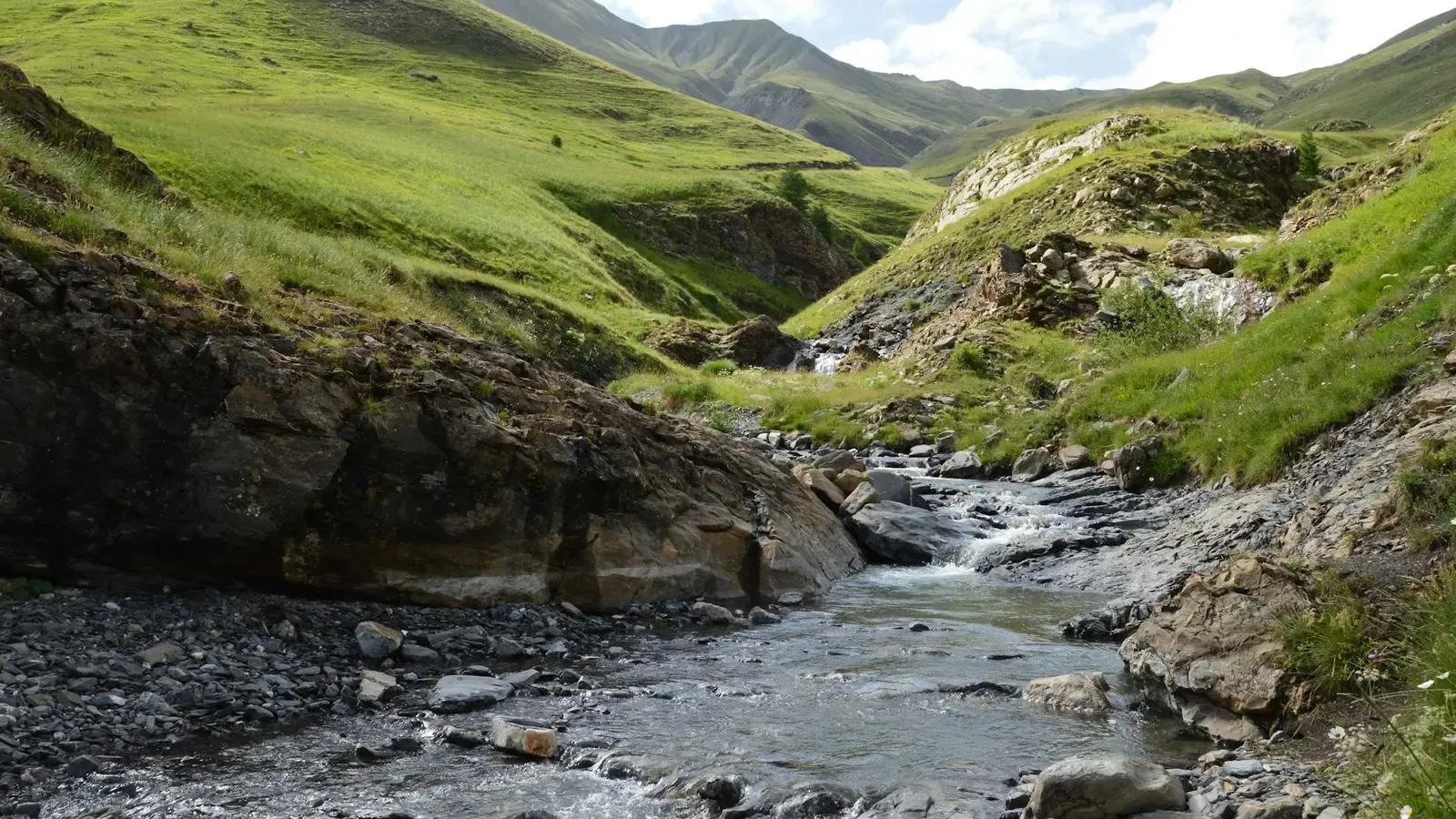
Channels rainwater off slopes and away from the house — visibly. You see where the water goes, which makes it easy to spot a problem.
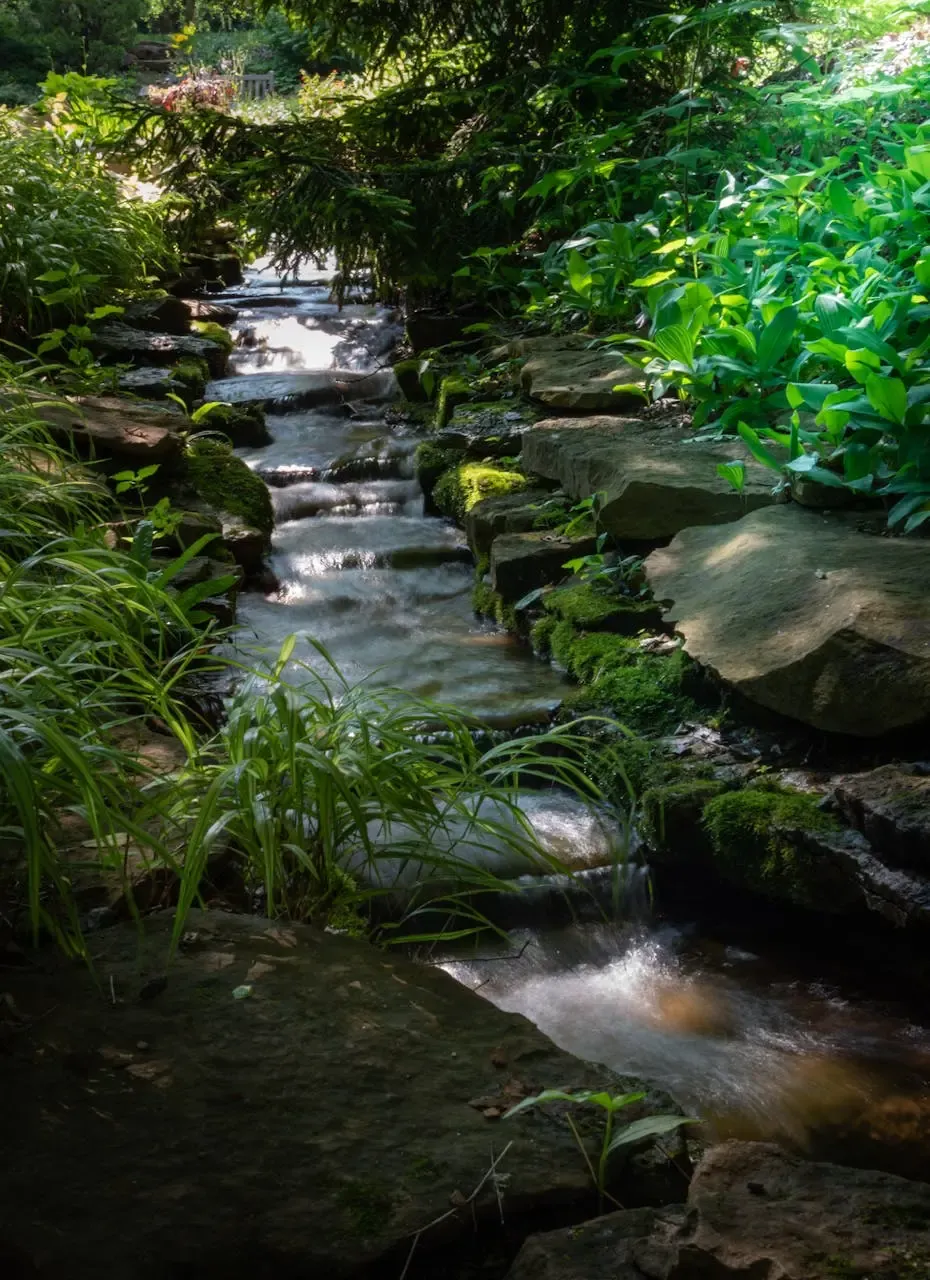
A beautiful answer to the soggy side yard — the bed handles roof runoff and downspout discharge without burying a French drain.
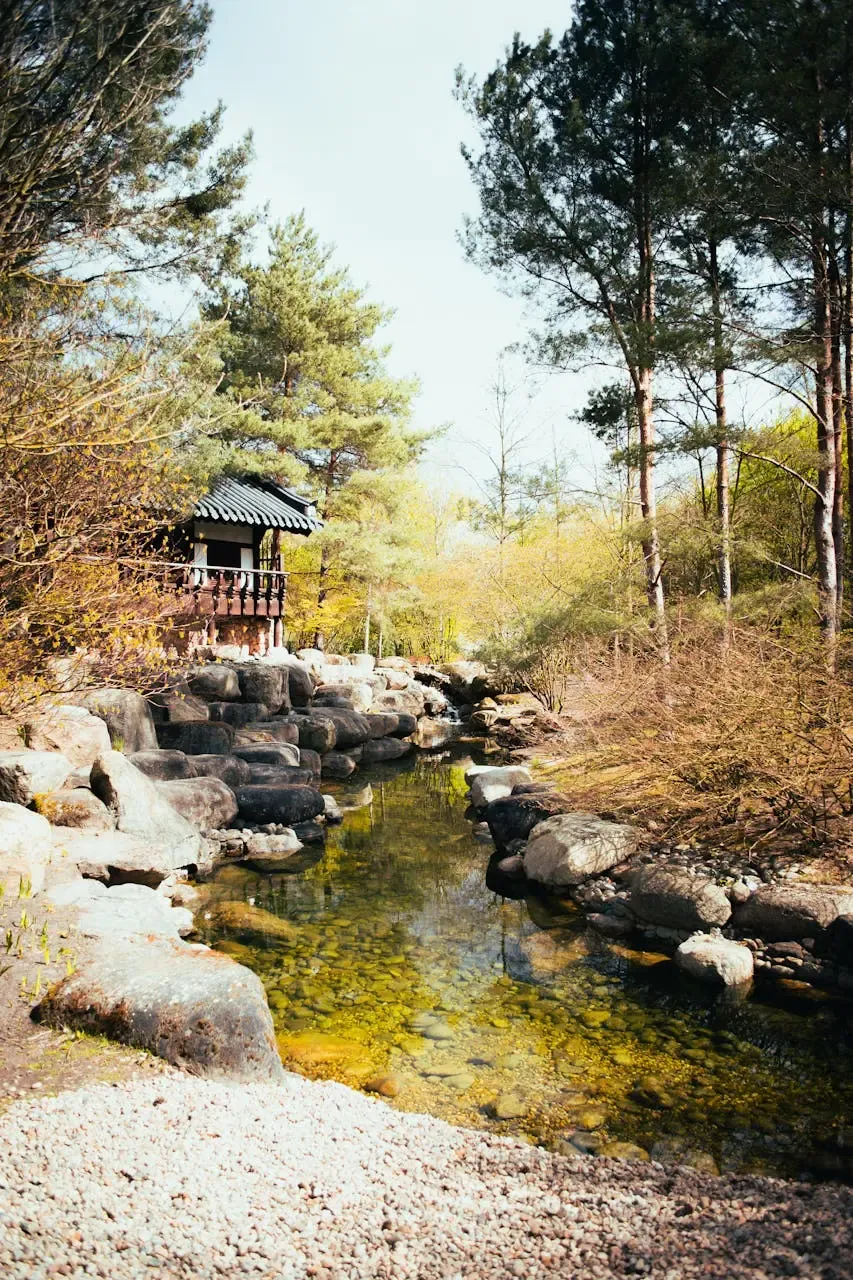
In a low-water landscape, a dry creek bed becomes the spine of the design — the visual line everything else builds around.
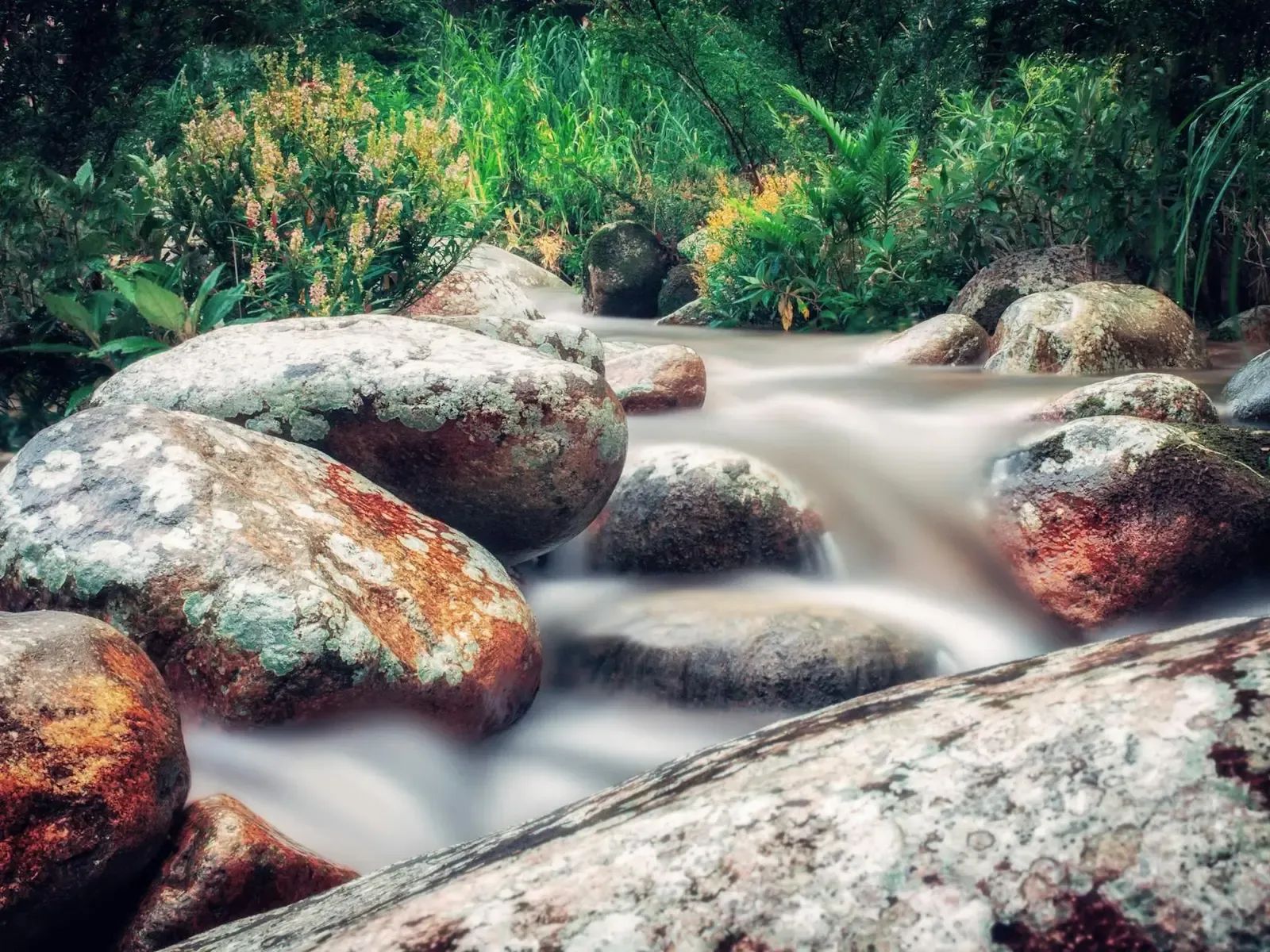
On bare slopes, a stone-armored channel stops gully erosion the way buried pipe never can. Catches and slows water at every cobble.
A dry river bed only works if it's dug along the actual water path — not where it looks pretty. We map flow, grade the channel, line it for permeability, and set every stone by hand to read like geology, not landscaping.
We walk the property during or after rain to map where water actually moves. The channel route follows the natural flow path, not a designer's sketch — that's why these beds work.

We dig the channel to engineered depth and slope — typically 18" deep with a 2% grade — wider in the middle, tapered at the inlet and outlet for natural shape.

Geotextile filter fabric lines the channel to keep soil from clogging the drainage layer. 6" of clean drain rock fills the base — invisible but doing the real work.

River cobble is hand-placed in the channel — sizes mixed and graded smaller upstream, larger downstream. We avoid a uniform look — natural beds vary every few feet.
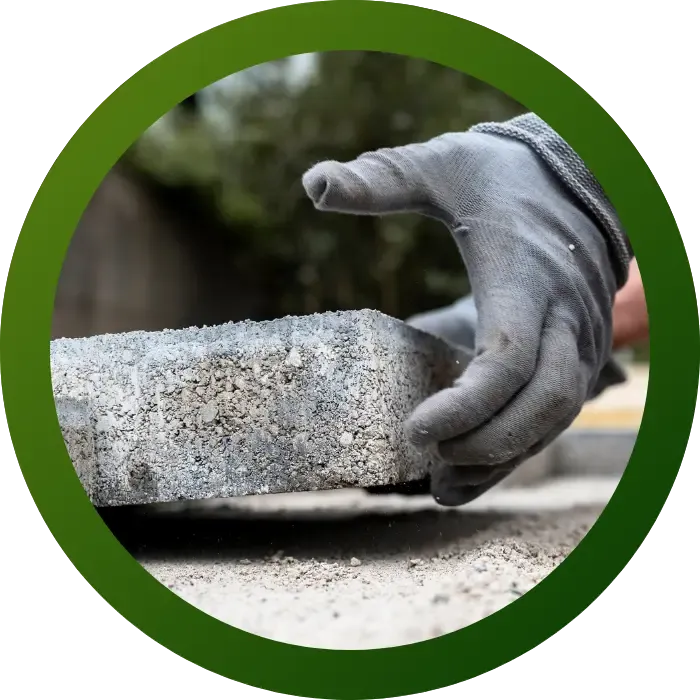
Large boulders are set at bends, inlets, and outlets to anchor the visual composition and slow flow. Optional stone-slab or timber bridges span the channel where paths cross.

Native grasses and drought-tolerant plantings frame the bed and tie it into the surrounding landscape. We test-flood the channel with a hose to confirm flow before final walkthrough.

Start with a free site walk.
Free estimate in 24 hours. Most dry-river-bed projects design, dig, and stone-set in 3–6 days, with a 10-year structural warranty.